
Strengthening the capacity of African stakeholders to achieve sustainable development goal 6 amidst climate change
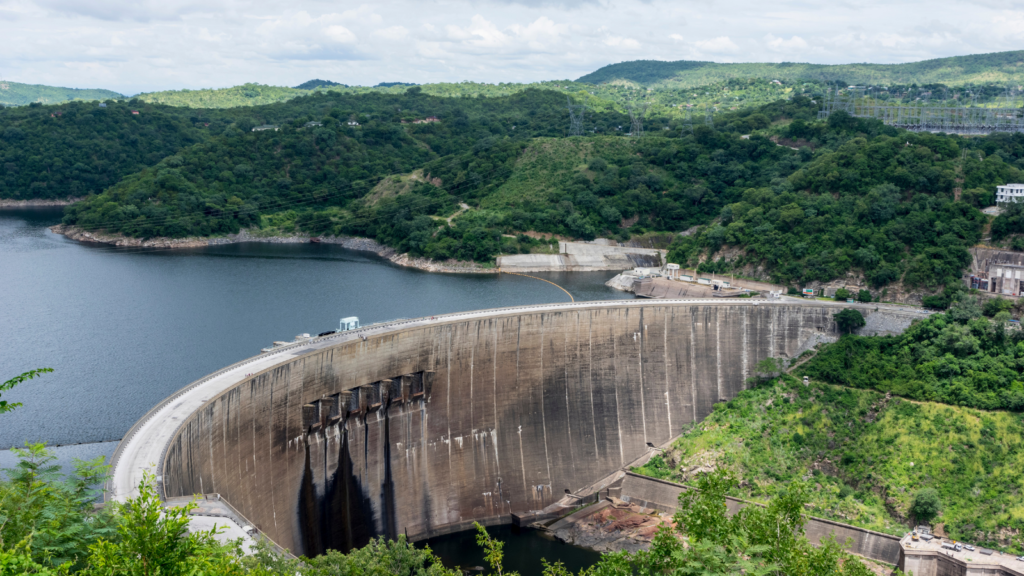
To help African countries achieve the Sustainable Development Goals (SDGs), international organisations such as the Africa Progress Panel, and the African Union stress the need to accelerate investments in agriculture, fishing, energy, and other sectors. However, those sectors cannot function without water. Water crises, one of the five greatest environmental risks the world is facing […]
Adaptation to climate change starts at the local level: funding local initiatives to address water & climate change challenges
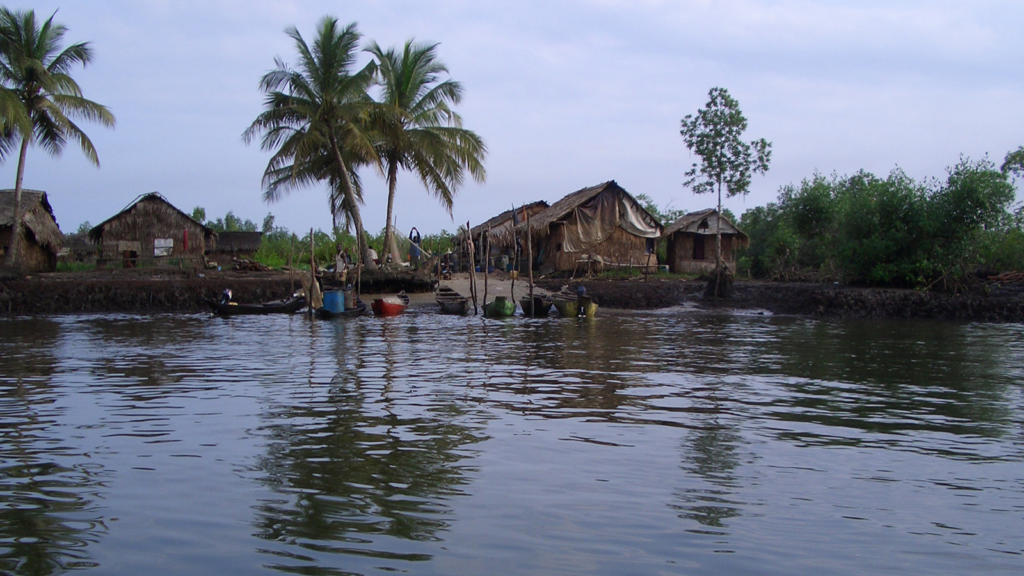
The Paris Agreement stresses the urgency to reach targets for Climate Change adaptation and to support developing countries with funds, technology and strengthening their capacity. The participation of local actors (e.g. local government, civil society organizations and local communities) is essential to reach implementation targets faster and reduce future costs. However, multilateral funds such as […]
Filling the data gap: a common approach for data collection and use in Africa
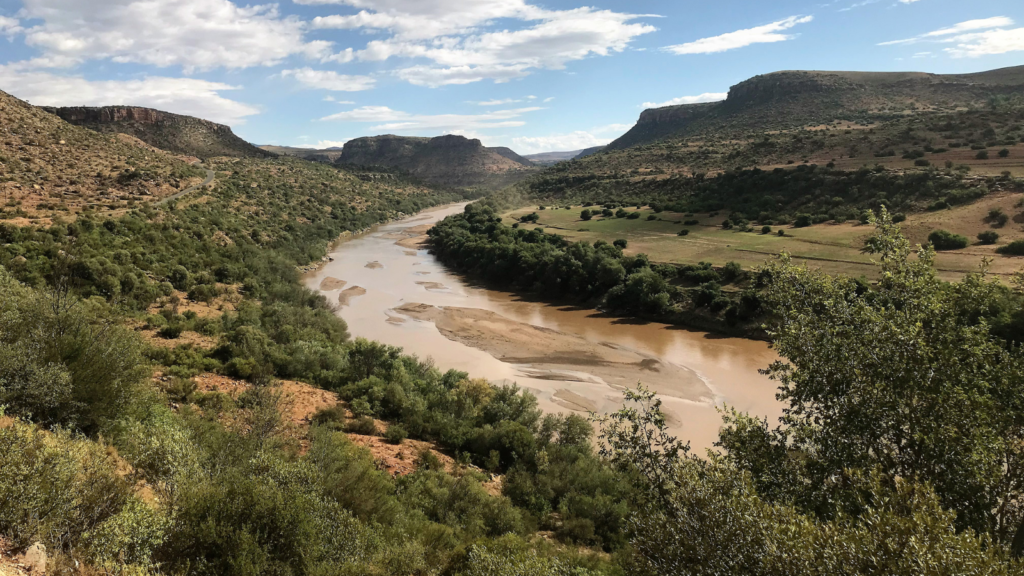
Up-to-date information is needed to support decision-making to manage water resources and adapt to Climate Change. The low capacity of some African countries to generate and process this information delays the development of effective policy and actions. At the policy level, the lack of data also makes it difficult to track progress towards achieving the […]
Strategic knowledge & innovation advice for water & climate in Africa

African countries are expected to be affected most by climate change. In order to identify what knowledge base is required in the long term for improved climate adaptation in Africa, AfriAlliance applied a mix of top-down and bottom-up approaches. Based on an analysis of existing long-term research and innovation initiatives, expert interviews and a Call […]
Policy brief: Socially inclusive urban policy making for climate resilient dryland Africa
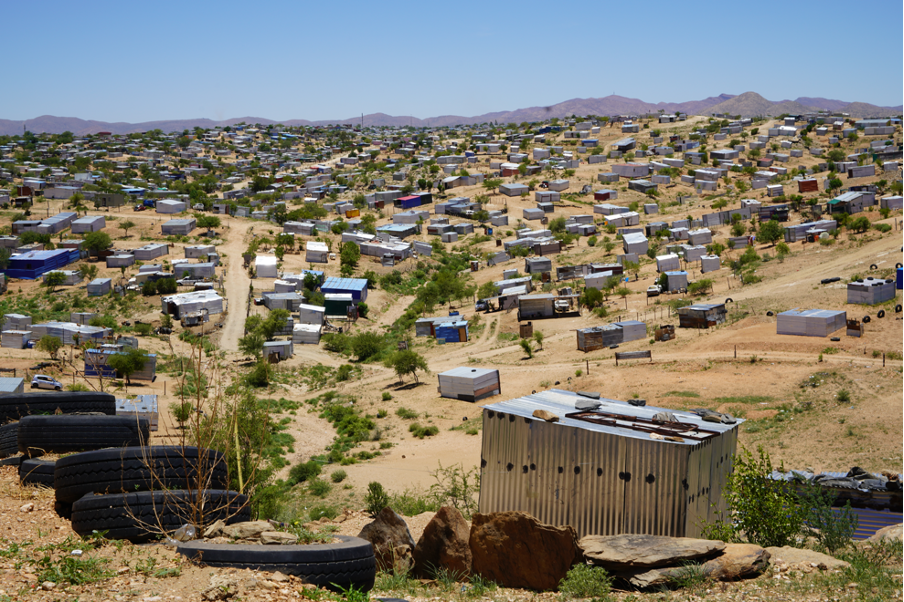
In response to growing interrelated threats, many cities are engaging in more inclusive governance to increase their resilience and sustainability. A range of evidence now suggests that alternative models of knowledge production and decision-making are required for building good governance systems in cities, particularly in emerging economies in the Global South. At the forefront of […]
Policy brief: Dryland nature based solutions for informal settlement upgrading schemes in Africa
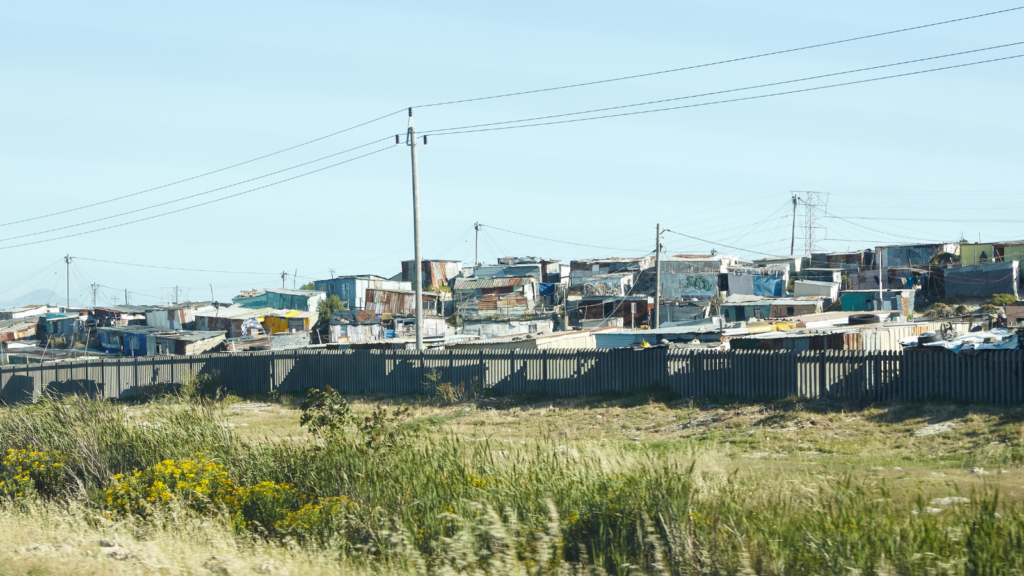
Upgrading schemes are increasingly used by city and national governments to address rapid unplanned peri-urban growth, improve infrastructure services and living conditions, and enhance resilience to climate change for the most marginalised vulnerable urban populations. Part of this upgrading process involves introducing alternative tenure systems to address innovation and sustainable development challenges. Nature-based solutions (NBS) […]
Alternative planning approaches: for cities in Sub-Sahara Africa

In Sub-Saharan Africa, cities, towns and villages are growing at unprecedented rates, leading to large parts of most cities being unplanned, in some cases up to 80%. African cities face unique challenges and require context specific planning to deliver services, support local economic development and improve quality of life.
Climate Finance 101 | LOCS4Africa 2020

Climate Finance 101 | LOCS4Africa 2020 Join ICLEI Africa, cities and partners to learn the basics about climate finance. By the end of the session you should be able to answer: What mechanisms are available to finance and fund climate projects in local government? What is climate finance? How does climate finance flow from funds […]
Local protected areas and green spaces helping to reconnect people and nature for improved health and wellbeing
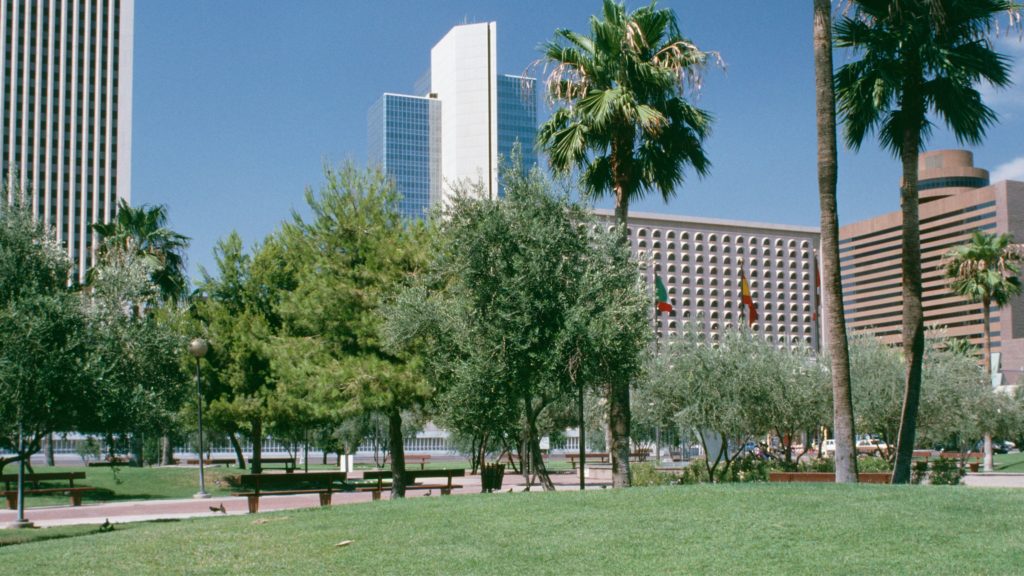
How can African cities use local protected areas and green urban spaces to improve the health and wellbeing of urban communities and address issues of safety, access and equity?
Planning for whom? Towards inclusionary planning paradigms in African cities

How can urban planning in African cities be more equitable, participatory, and responsive to the constantly changing needs and realities of our cities and people?