
Strategic knowledge & innovation advice for water & climate in Africa
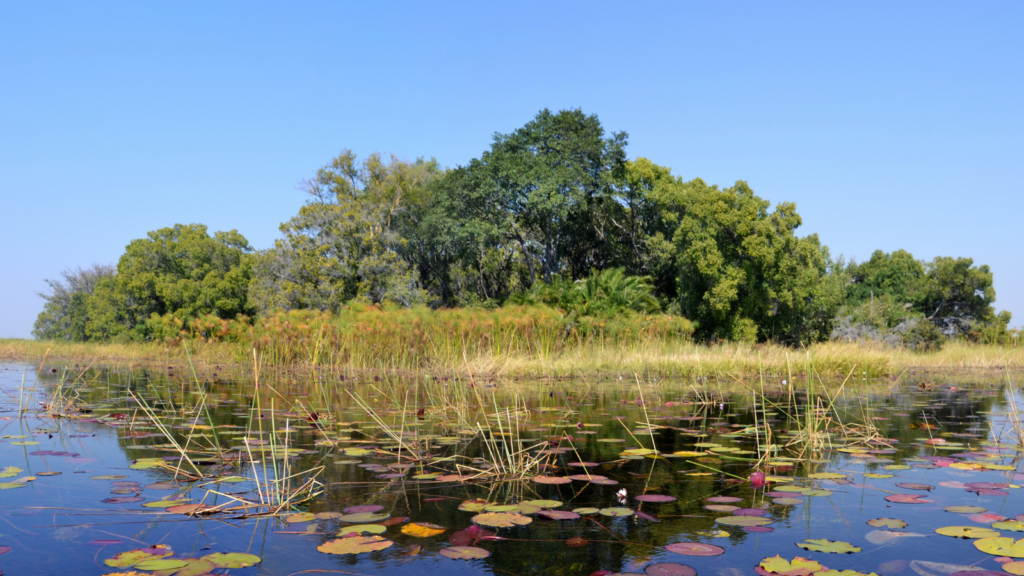
African countries are expected to be affected most by climate change. In order to identify what knowledge base is required in the long term for improved climate adaptation in Africa, AfriAlliance applied a mix of top-down and bottom-up approaches. Based on an analysis of existing long-term research and innovation initiatives, expert interviews and a Call […]
Policy brief: Socially inclusive urban policy making for climate resilient dryland Africa
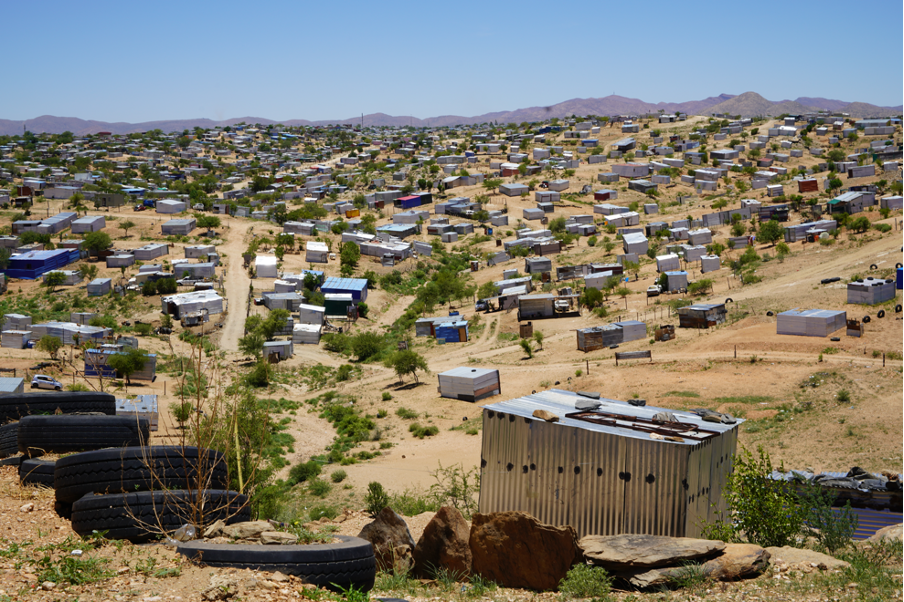
In response to growing interrelated threats, many cities are engaging in more inclusive governance to increase their resilience and sustainability. A range of evidence now suggests that alternative models of knowledge production and decision-making are required for building good governance systems in cities, particularly in emerging economies in the Global South. At the forefront of […]
How do we unvision African cities?
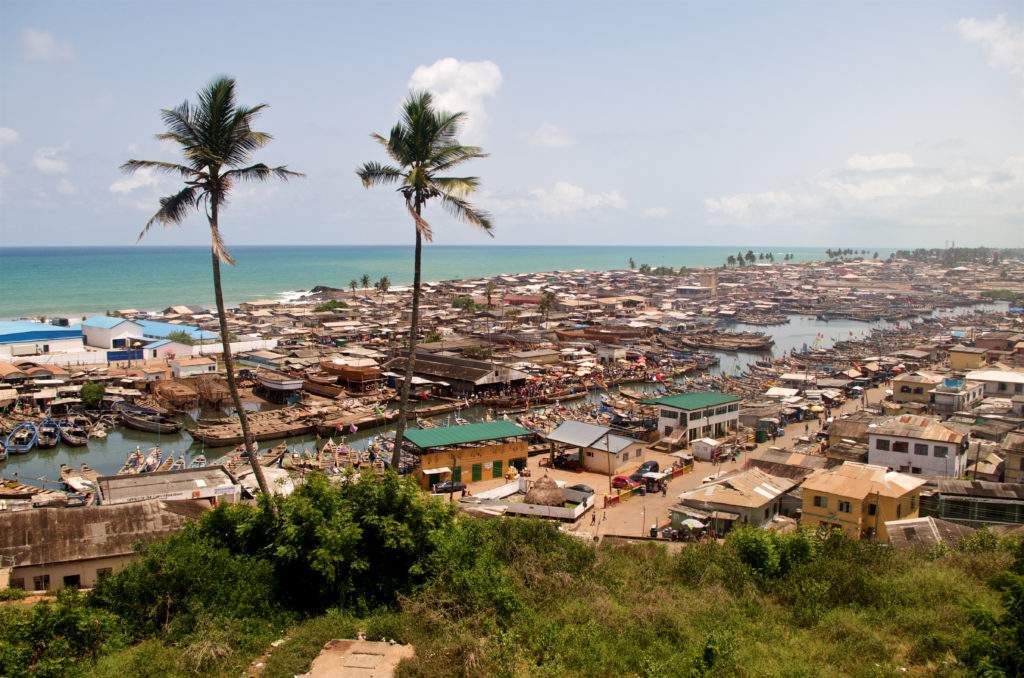
How do we unvision African cities? Geci Karuri-Sebina offers a provocation that challenges our normal ways of planning cities – how can we use futures studies to become more comfortable with the unknown ahead? https://www.youtube.com/watch?v=3tGdyYOqM0g&
Policy brief: Dryland nature based solutions for informal settlement upgrading schemes in Africa
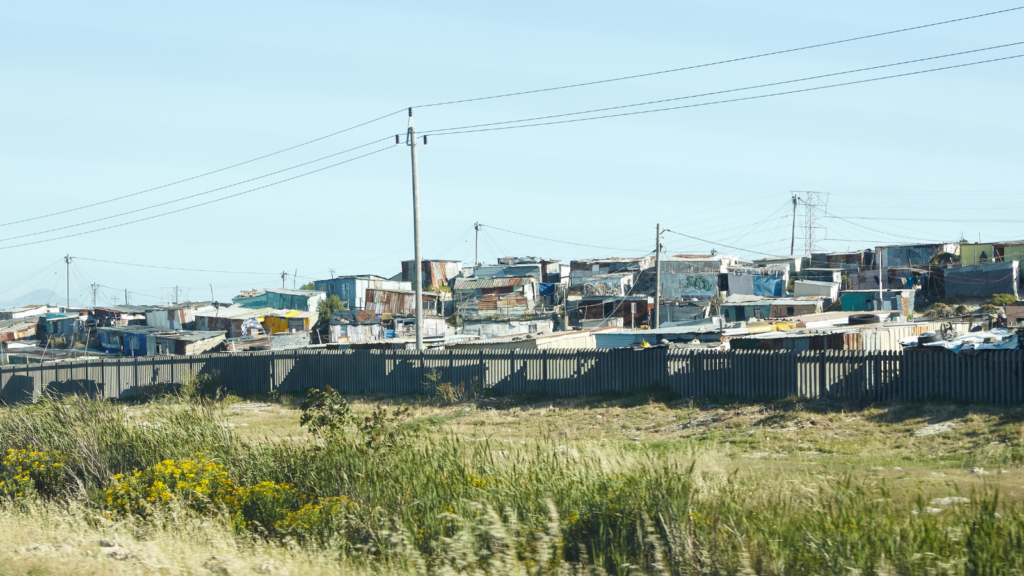
Upgrading schemes are increasingly used by city and national governments to address rapid unplanned peri-urban growth, improve infrastructure services and living conditions, and enhance resilience to climate change for the most marginalised vulnerable urban populations. Part of this upgrading process involves introducing alternative tenure systems to address innovation and sustainable development challenges. Nature-based solutions (NBS) […]
Ways of thinking: encouraging a shift in mindset

This document showcases methods and approaches that support city officials in institutionalizing spaces for reflection. They include adopting new approaches to creating solutions such as systems thinking.
Alternative planning approaches: for cities in Sub-Sahara Africa

In Sub-Saharan Africa, cities, towns and villages are growing at unprecedented rates, leading to large parts of most cities being unplanned, in some cases up to 80%. African cities face unique challenges and require context specific planning to deliver services, support local economic development and improve quality of life.
Climate solutions for African cities overview
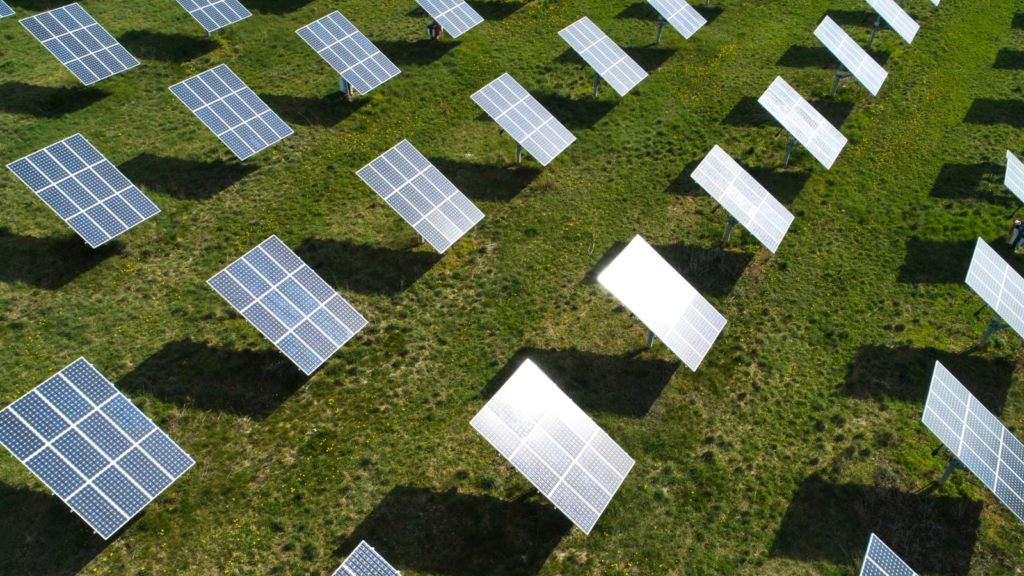
Climate solutions for African cities Developed by ICLEI Africa for the Urban-LEDS II Project (Urban Low Emission Development Strategy) Building healthy, resilient cities has never been more important. Now, more than ever, our cities need to be centres of resilience to support the health and livelihoods of all citizens. ICLEI Africa, through the Urban-LEDS II […]
Meeting climate commitments, transforming cities and nations
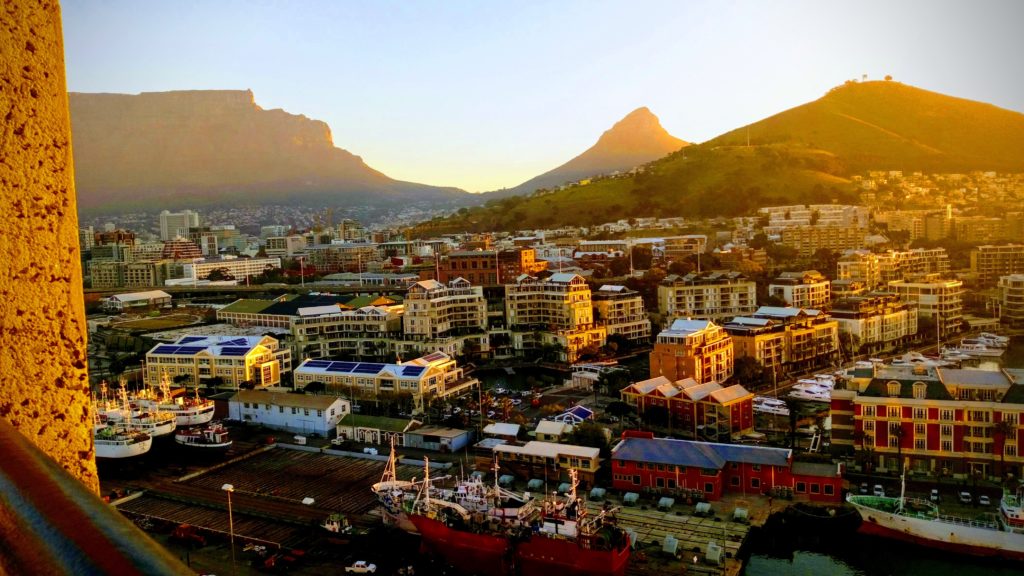
How subnational and national governments can work together to achieve Nationally Determined Contributions and honour the Paris Agreement
Nature-based solutions: opportunities and challenges for African cities
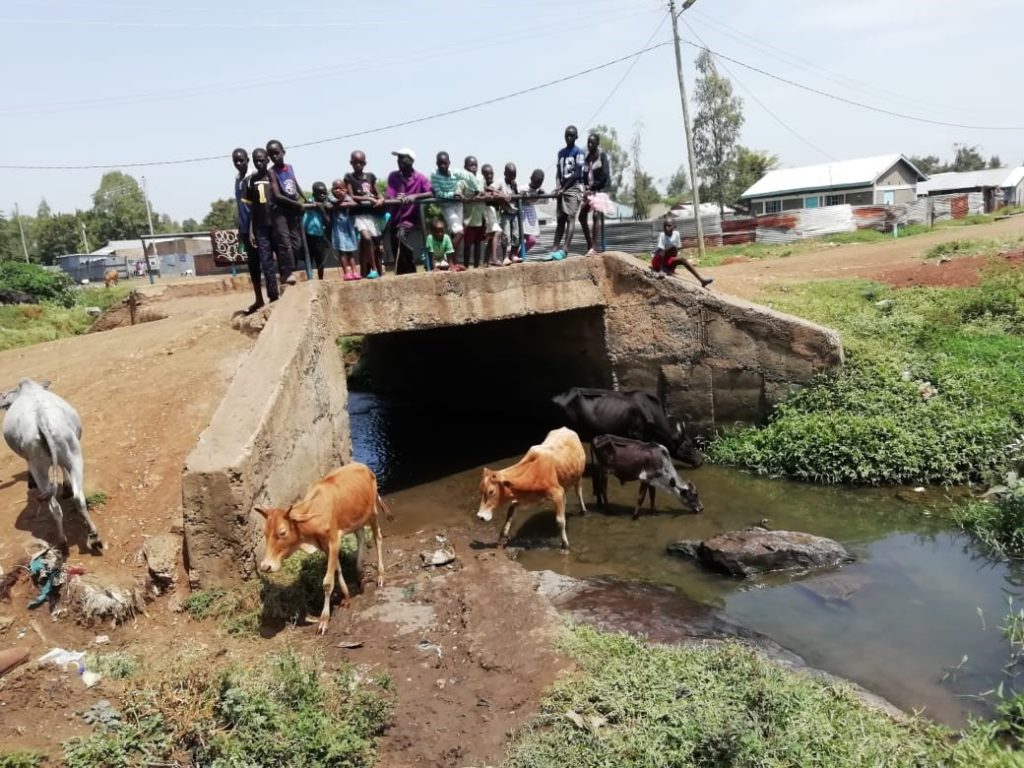
Nature-based solutions (NBS) have gained traction globally as a way to address, or partially address, vexing urban issues such as urban heat, pollution and flooding. Despite limitations, NBS have become increasingly integrated into policies and strategies and reflected as part of an urban toolkit of interventions. NBS, as defined by the IUCN (2016) are “actions […]
Mapping the benefits of nature: the use of spatial data in African cities
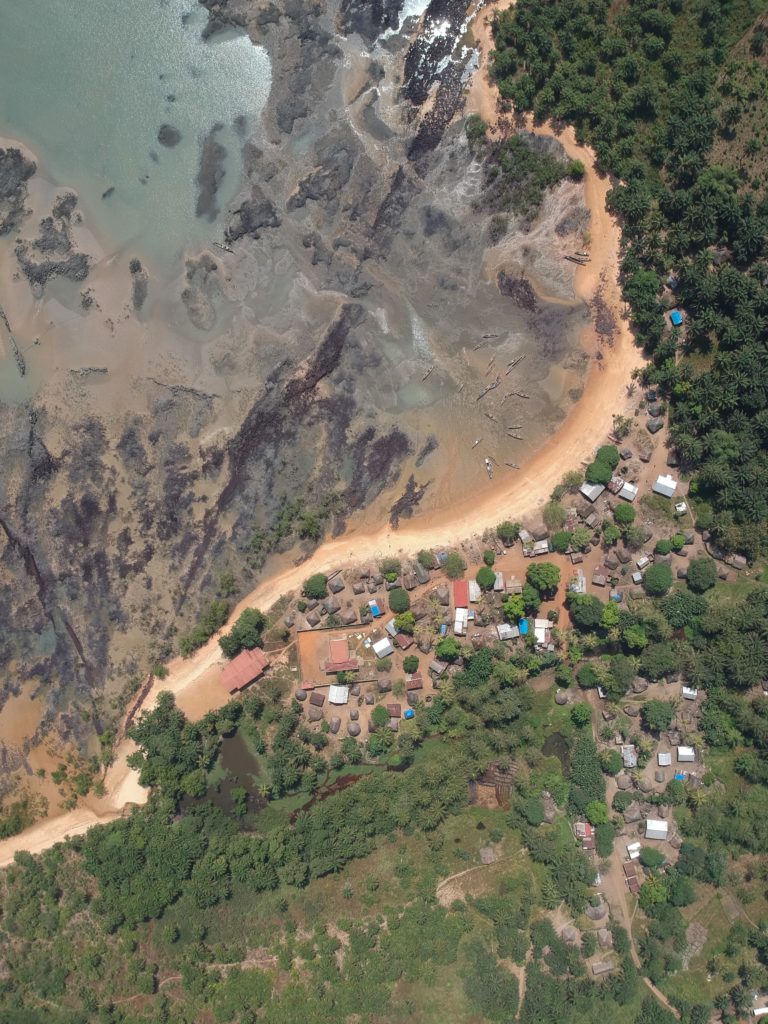
The world’s economic prosperity and well-being are underpinned by its natural capital, i.e. its biodiversity, including ecosystems that provide essential goods and services for mankind. Mapping ecosystem services is essential to understand how ecosystems contribute to human wellbeing and to support policies which have an impact on natural resources. It is also useful in bridging […]