
Fostering a just energy transition: A framework for policy design
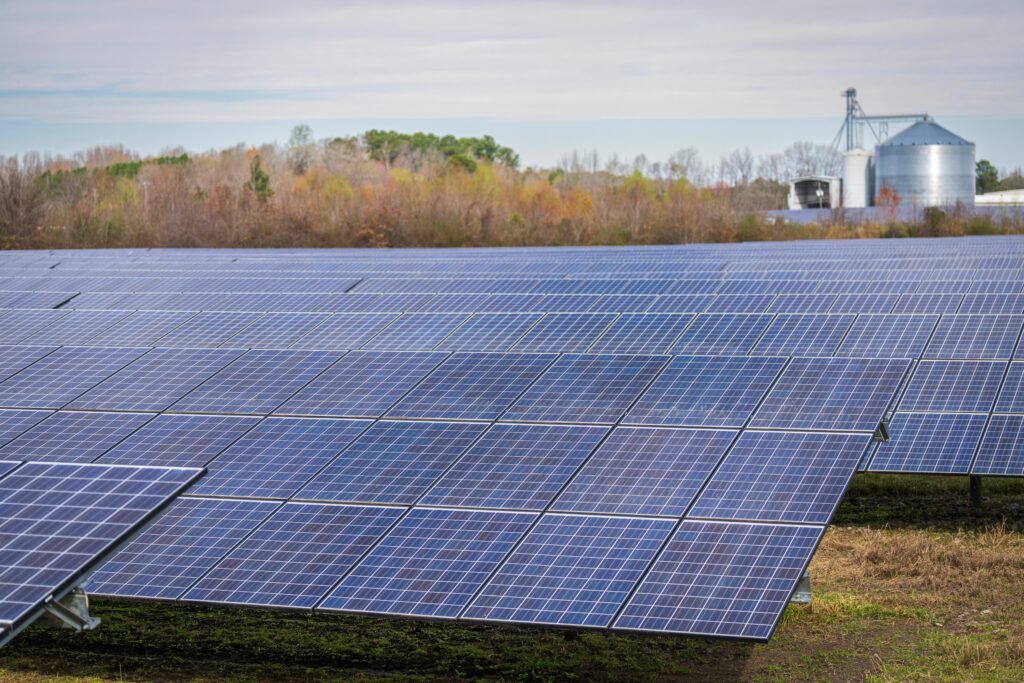
As the energy transition progresses and the technological, economic and social contexts in which it is embedded evolve, policymakers need to work iteratively, both within and across borders, to design an ecosystem of policies and institutions that support justice. A just energy transition is not a one-off effort; it is both a process and an […]
Community Engagement: A Key Lever For Pursuing & Enabling More Just Outcomes In The Energy Transition In South Africa
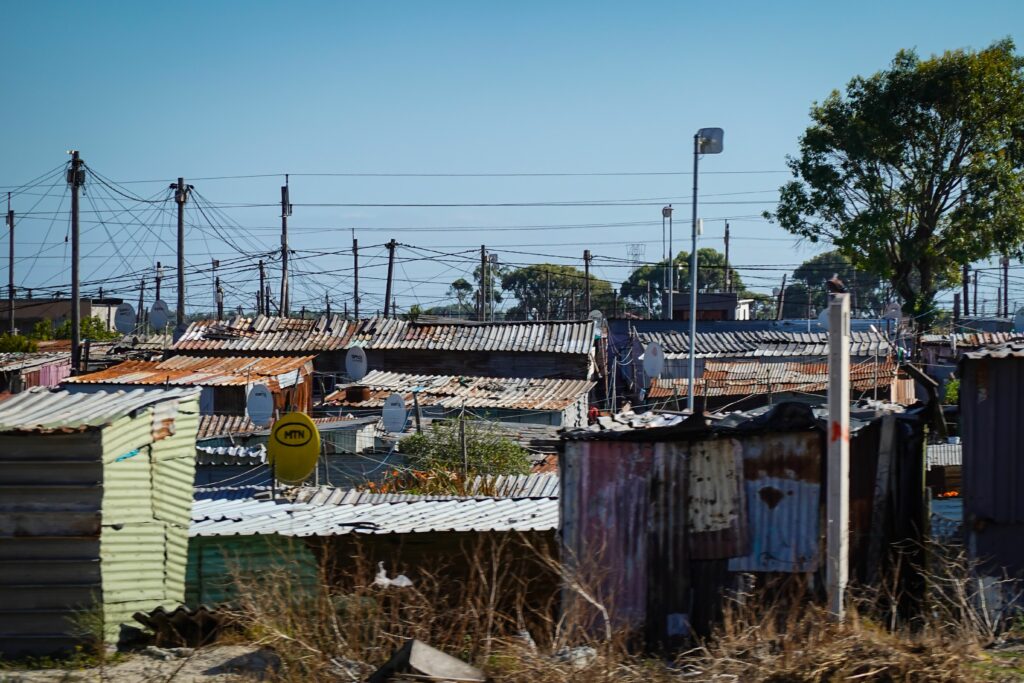
This report details the ENGAGE initiative piloted by the Cultiver Group over 18 months in two South African communities, one in the Western Cape (Laingsburg) and one in the Northern Cape (Sutherland). To address the gaps in communication between RE project host communities and project owners, a toll-free community hotline was set up to support […]
Community and social inclusion in RE projects in SA

This policy brief is based on South Africa’s Renewable Energy Independent Power Producer Procurement Programme (REIPPPP), which is implemented at the national level. However, the lessons presented are considered to have potential relevance at the municipal level as well. This resource provides lessons learnt and associated recommendations from South Africa’s efforts to incorporate community development […]
Electricity reform in South Africa: Implications and opportunities for municipalities
This study assesses how electricity reform impacts the municipal electricity business model, focusing on financial sustainability, operational readiness, socio-economic mandates, and long-term strategic positioning. In South Africa, a typology-based scenario analysis shows that without targeted support, many municipalities, particularly smaller and under-resourced ones, risk falling behind. Progressive metros, however, are well-positioned to lead through IPP […]
The role of municipalities with the introduction of the Electricity Regulation Amendment Act
The Electricity Regulation Amendment Act (ERAA) marks a transformative shift in South Africa’s energy landscape, aiming to foster a more competitive and decentralised electricity market. It builds on interim reforms introduced since 2021, which initially allowed private generation projects of up to 100 MW without requiring a license from the National Energy Regulator of South […]
Financing and ownership models for municipal embedded generation: Guidance for South African municipalities
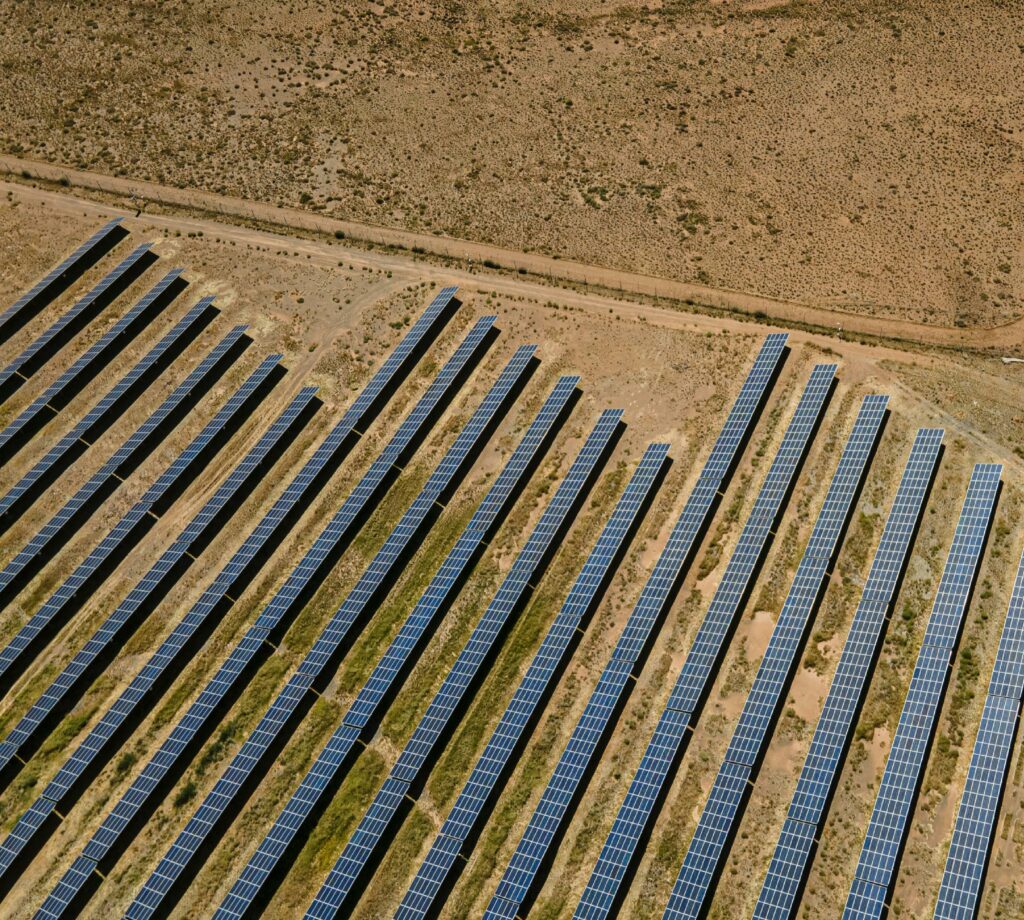
Municipalities in South Africa face intersecting challenges in the electricity sector. These include increasing electricity costs, unstable supply, and decreasing revenue as users opt for own-generation solutions. Embedded generation, which is the production of electricity at a local site and connected to the local electricity grid, presents potential solutions at the municipal scale. It can […]
MFMA Circular 118
South Africa’s National Treasury undertook, this legal and regulatory framework analysis with respect to the establishment or procurement of new generation capacity by municipalities and municipal entities. The objective is to provide guidance that will assist municipalities and municipal entities in enabling and informing the procurement of new generation capacity in a competitive, fair, cost […]
Strengthening the capacity of African stakeholders to achieve sustainable development goal 6 amidst climate change
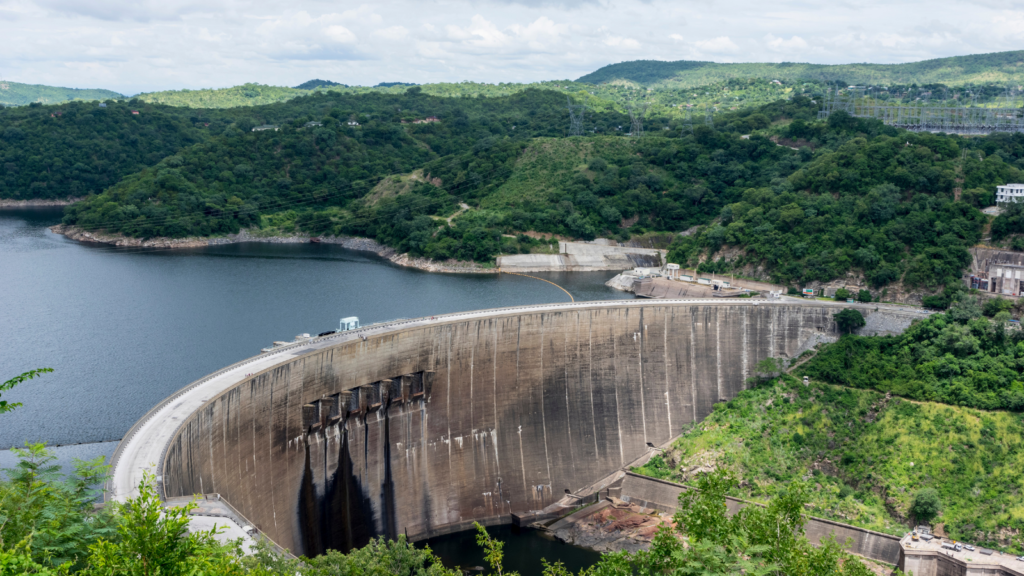
To help African countries achieve the Sustainable Development Goals (SDGs), international organisations such as the Africa Progress Panel, and the African Union stress the need to accelerate investments in agriculture, fishing, energy, and other sectors. However, those sectors cannot function without water. Water crises, one of the five greatest environmental risks the world is facing […]
Adaptation to climate change starts at the local level: funding local initiatives to address water & climate change challenges
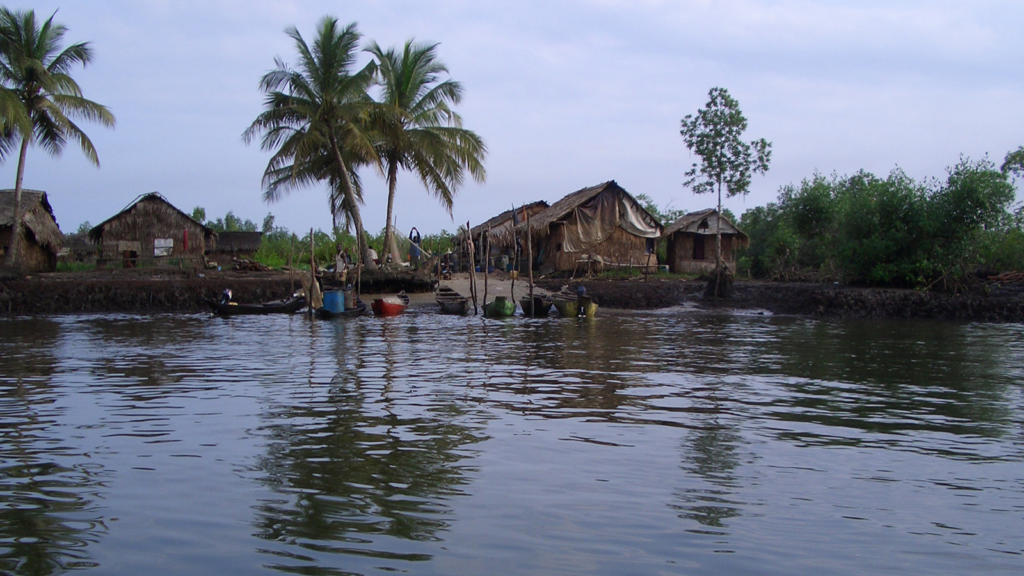
The Paris Agreement stresses the urgency to reach targets for Climate Change adaptation and to support developing countries with funds, technology and strengthening their capacity. The participation of local actors (e.g. local government, civil society organizations and local communities) is essential to reach implementation targets faster and reduce future costs. However, multilateral funds such as […]
Filling the data gap: a common approach for data collection and use in Africa
Up-to-date information is needed to support decision-making to manage water resources and adapt to Climate Change. The low capacity of some African countries to generate and process this information delays the development of effective policy and actions. At the policy level, the lack of data also makes it difficult to track progress towards achieving the […]