Lesson 1 of 0
In Progress

Climate change and cities in Africa
What you will learn in this lesson

Introduction to Climate change in the African context
The link between climate change and urban development

This chapter has been designed for Local Government Officials and partners completing a SEACAP.

What is climate change?

Climate change is defined as “a change of climate which is attributed directly or indirectly to human activity that alters the composition of the global atmosphere and which is in addition to natural climate variability observed over comparable time periods.”

United Nations Framework Convention on Climate Chang (UNFCCC), Fact Sheet, 2011

Climate change places a disproportionate burden on the developing world

“Climate change threatens to undo the last 50 years of progress in development, global health, and poverty reduction. It could push more than 120 million more people into poverty by 2030 and will have the most severe impact in poor countries, regions, and the places poor people live and work.”

UN Special Rapporteur on Human Rights, June 2019

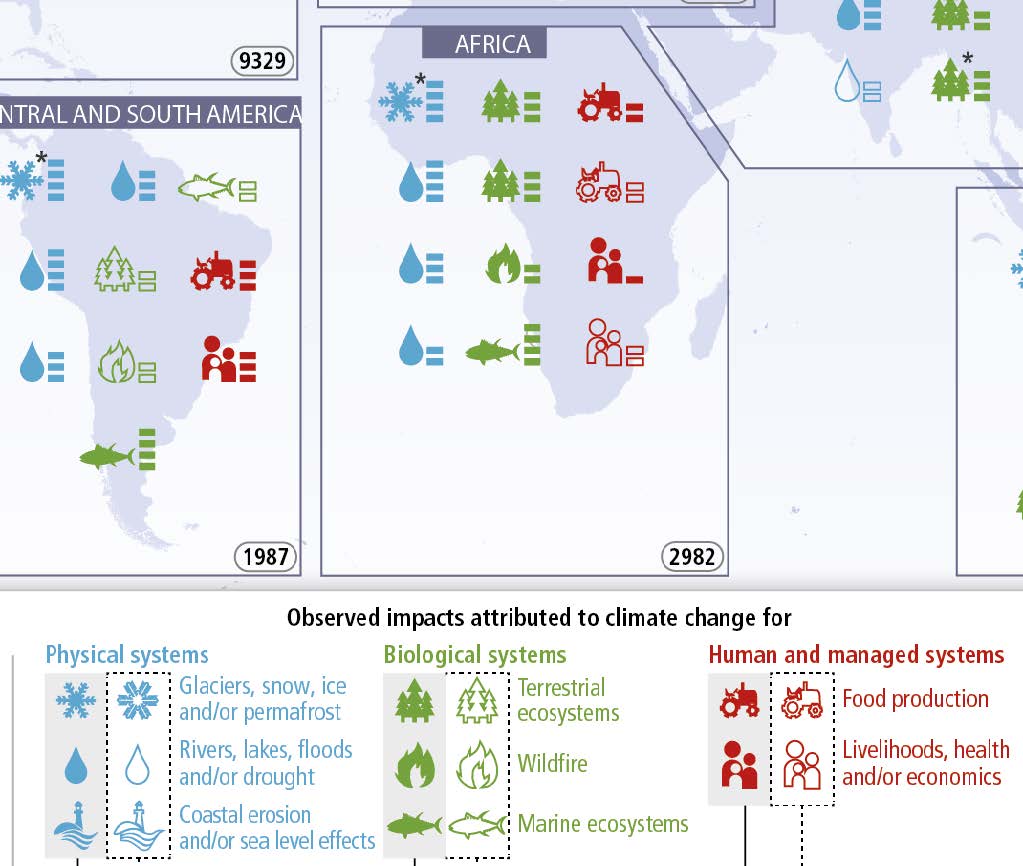
Africa will be hit hardest by climate change

Click on the red dots below for more information

Linkages to climate system

1 of 3

Understudied, complex climate system

2 of 3

Large degree of changes expected

3 of 3

Main impacts include:

Hover over the two blocks below for more information

Main hazards in Africa

•Coastal erosion
•Increase of rainfalls
•Extreme temperatures
•Water scarcity and drought

Main risks for African societies

•Water stress
•Health issues
•Decrease in crop productivity
•Negative impacts on fisheries
•Climate migration
•Collapse of the economy
•Negative impacts on livelihoods
•Governance instability

56%

of Africa's population will live in cities by 2050.

This will lead to an increased concentration of climate risks,

threatening

People and communities

Physical assets

Large built infrastructure

Loci of economic activity

Implications for broader regions and ability of certain key services to reach rural areas:

national/provincial government, telecoms/financial centres & transport and trade hubs

Why cities are critical to addressing climate change

Cities often account for the most emissions.

They have a multitude of risks across diverse sectors (food, water, infrastructure, transport, services, business, health) often occurring in parallel.

They also demand careful management to avoid maladaptation.

Urban factors leading to climate vulnerability

Given population growth, without dedicated action, emissions for transport, waste, and energy are likely to grow rapidly, with several cross-cutting negative impacts:

Click through the slider below to explore the potentional negative impacts

Air pollution and consistent demand on public healthcare system
Congestion, degraded roads and resultant loss to GDP
Compromise of ecosystem services and related tourism-driven income

Responding to climate change is thus an urgent consideration for many African cities

The fight against climate change will be won or lost in cities, which are also likely to be the epicentres of its impacts.

As key actors in the fight of climate change, cities’ contribution is crucial to reach climate targets. For this reason, there is the need for a flexible framework, in which local authorities can develop and build their strategy according to distinctive opportunities and challenges.

Hero video example