STEP 2
Conduct a baseline risk assessment
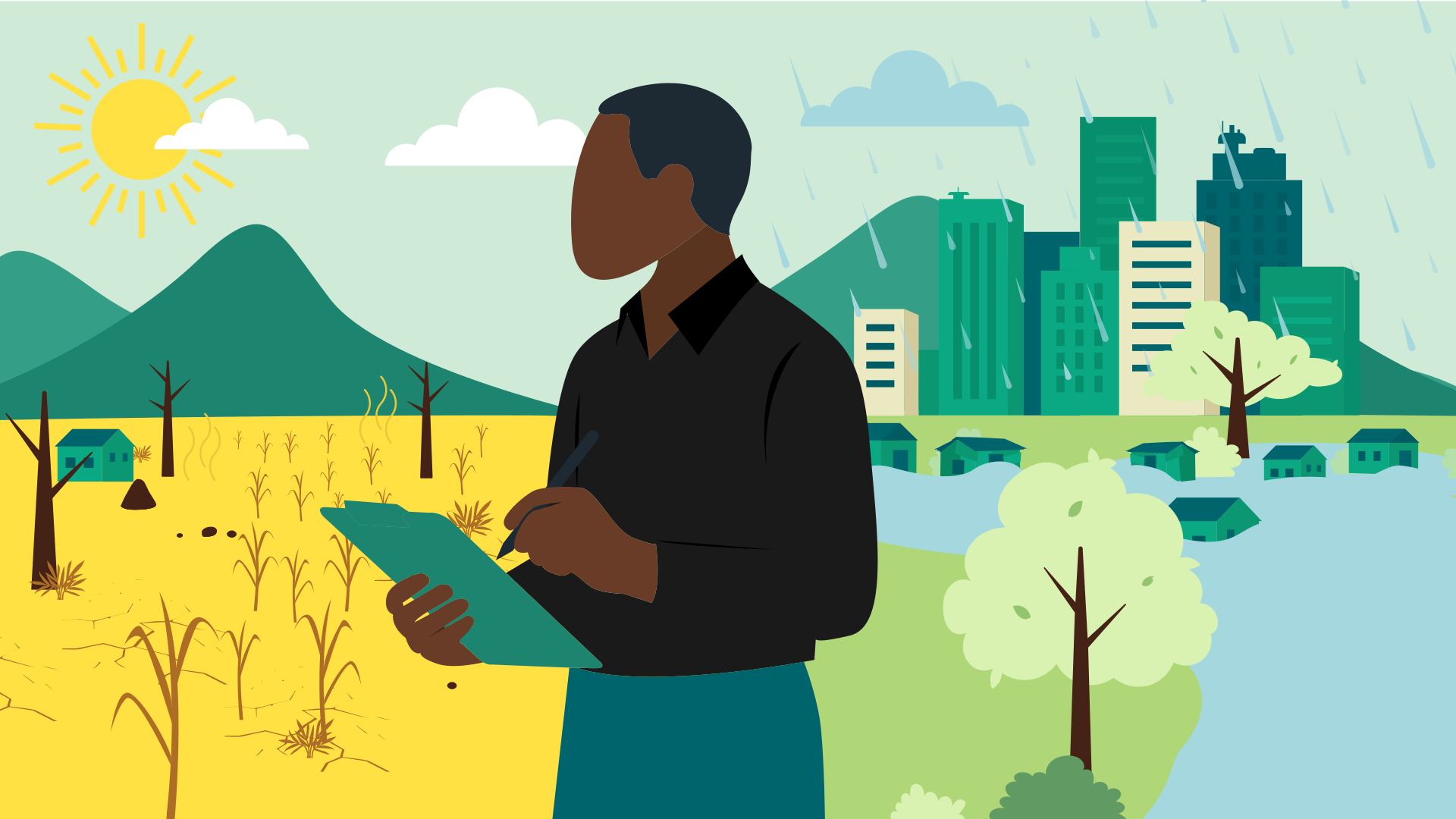
A baseline risk assessment helps cities identify and understand the climate hazards and vulnerabilities that threaten communities, economies, and ecosystems. By analysing risks through data and local insights, cities can prioritise the most effective resilience and disaster risk reduction measures. To make this process more robust, participatory workshops should be used to gather and validate information, especially from marginalised groups like women, youth, and informal settlers. Their firsthand experiences ensure that no critical vulnerability is missed, leading to more effective resilience strategies that work for everyone.
Goal
Understand current climate risks and vulnerabilities of key sectors and population groups using participatory and data-informed tools, and how future climate change impacts will change risks and vulnerabilities
Tools
- Use CoM SSA’s methodology for developing a local government Risk & Vulnerability Assessment (RVA) to assess climate impact on key sectors and population groups in your city
- Explore the World Risk Poll’s resilience index to understand the population’s perception of risk in your country
Case study
Downloadable resource
Call to action
Cities must leverage evidence-based insights to support their urban planning. ICLEI Africa can assist with translating complex climate and urban development risks into accessible, actionable steps for municipal authorities and the vulnerable communities they serve.
Did you know?
Gender-disaggregated data reveals that women and girls face higher risks during disasters due to factors like limited mobility, care responsibilities, and unequal access to resources. In Mozambique, post-cyclone assessments showed that women were 14% more likely to experience food insecurity than men. Including gender and age-specific vulnerability analyses in risk assessments ensures that interventions address the unique needs of all community members.